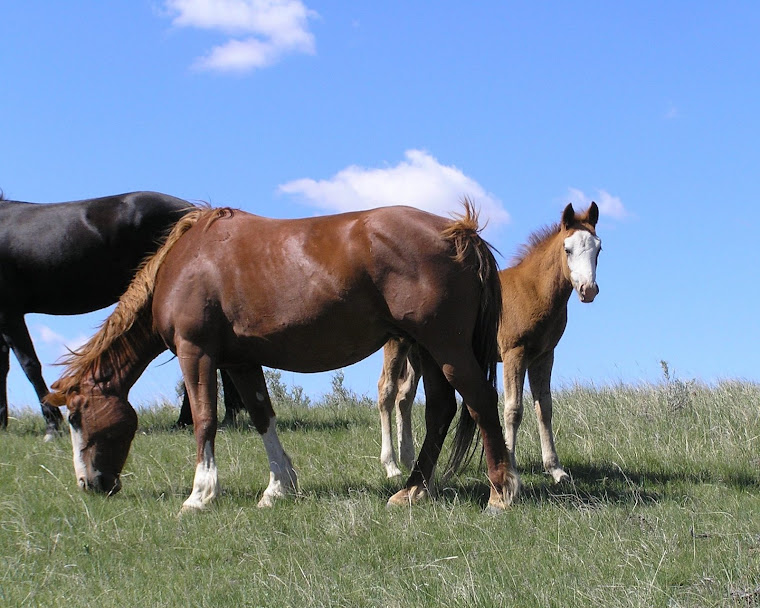
Welcome to the blog by Marylu Weber

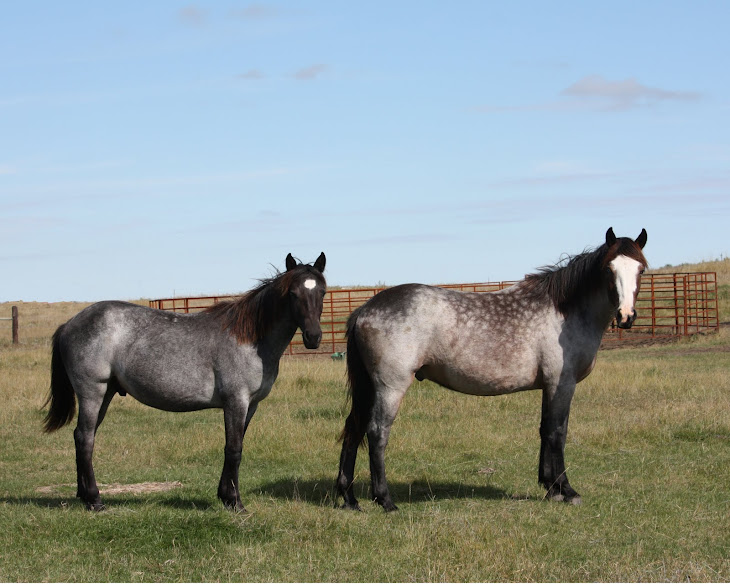
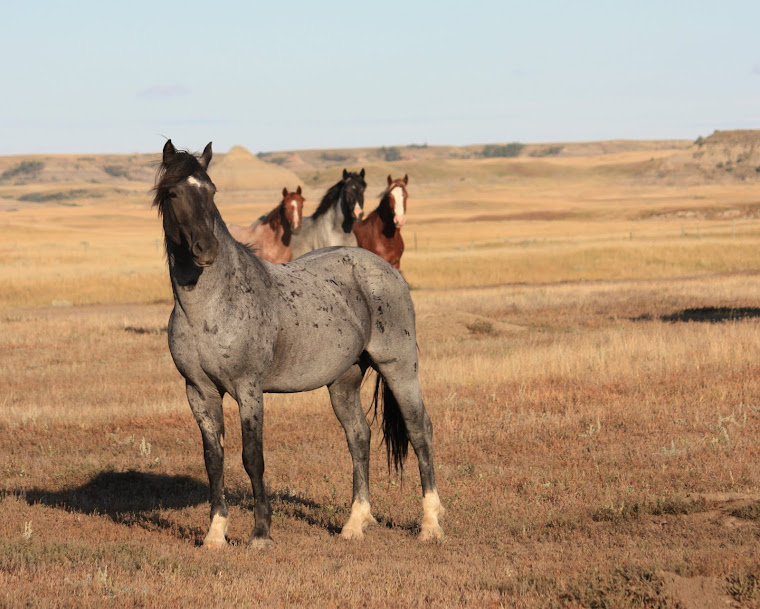
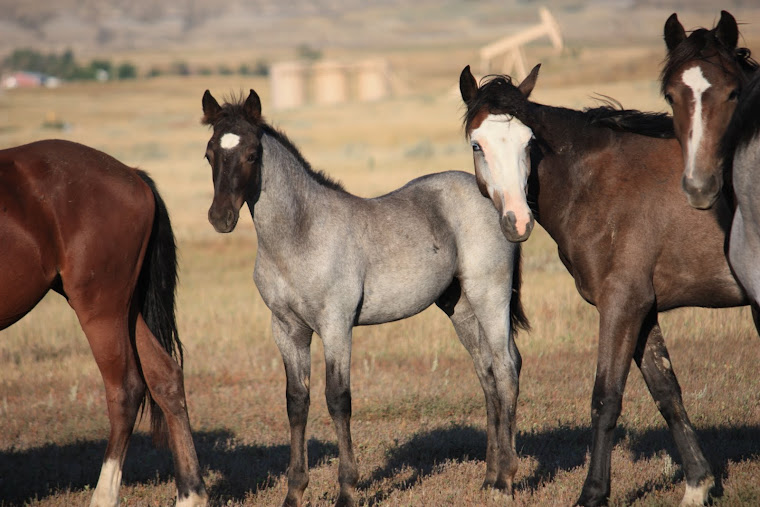
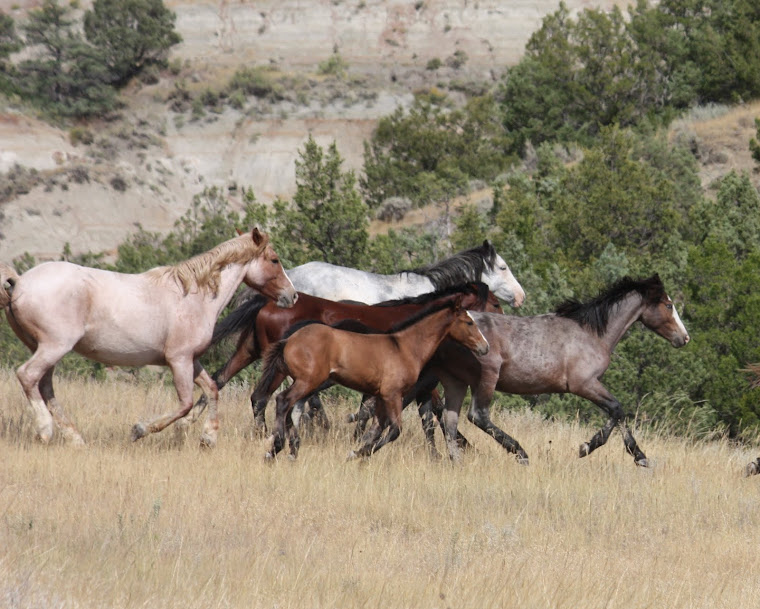
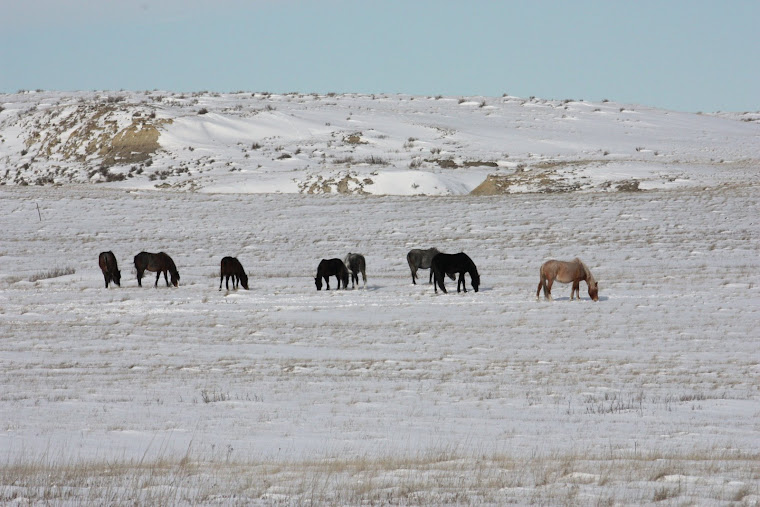
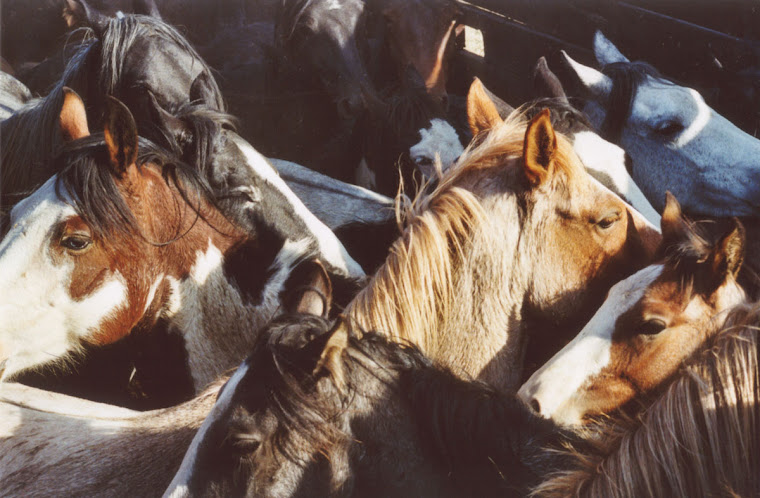
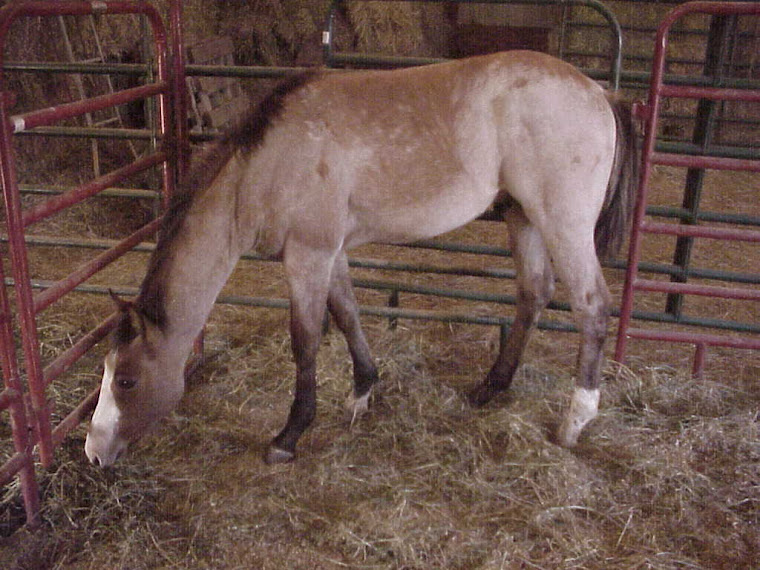
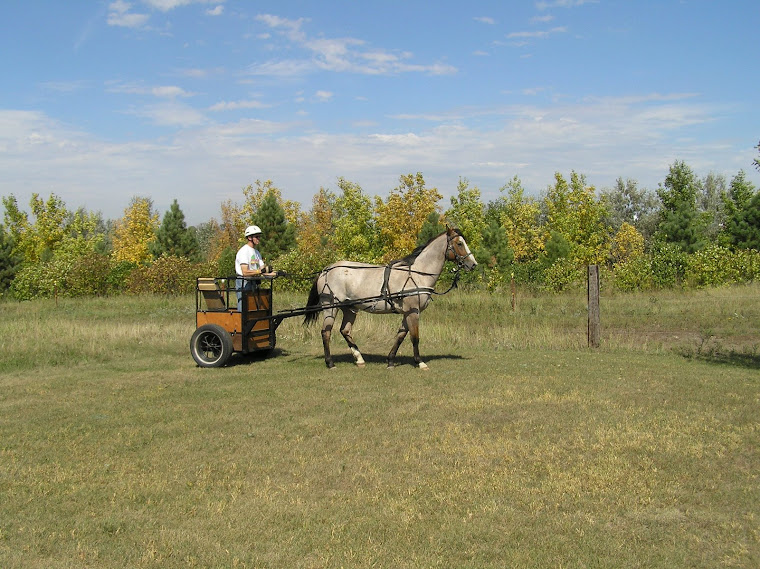
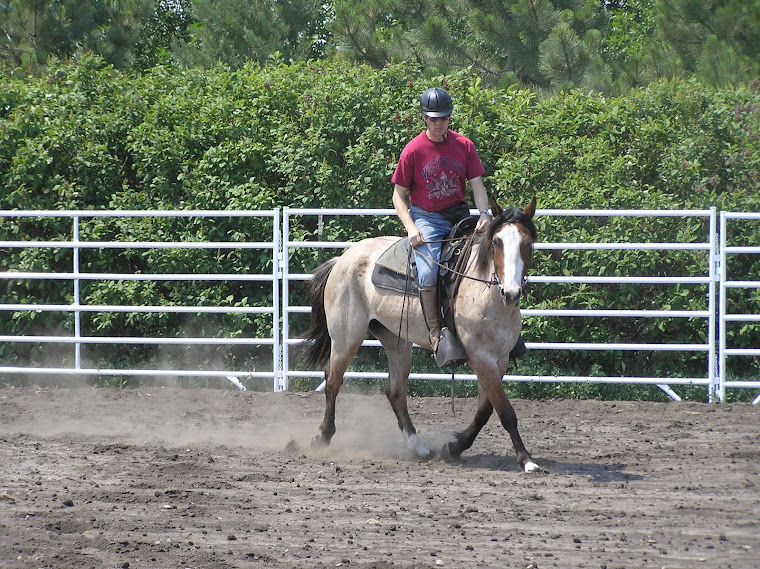
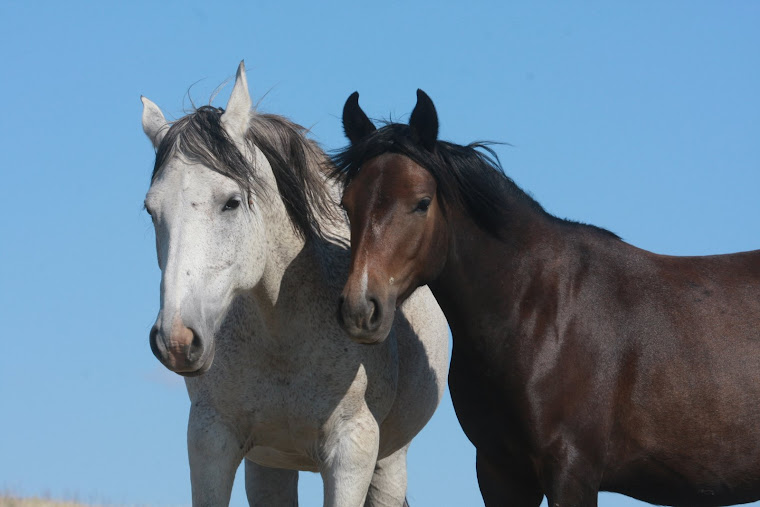
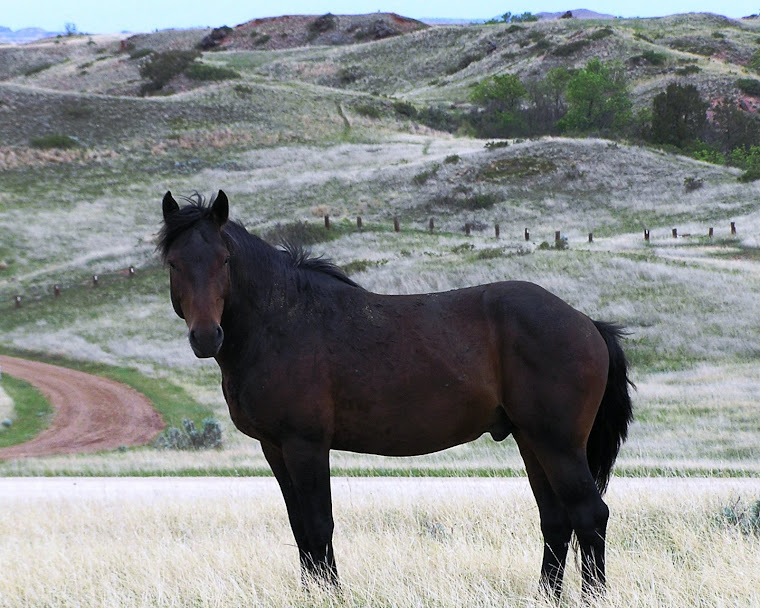
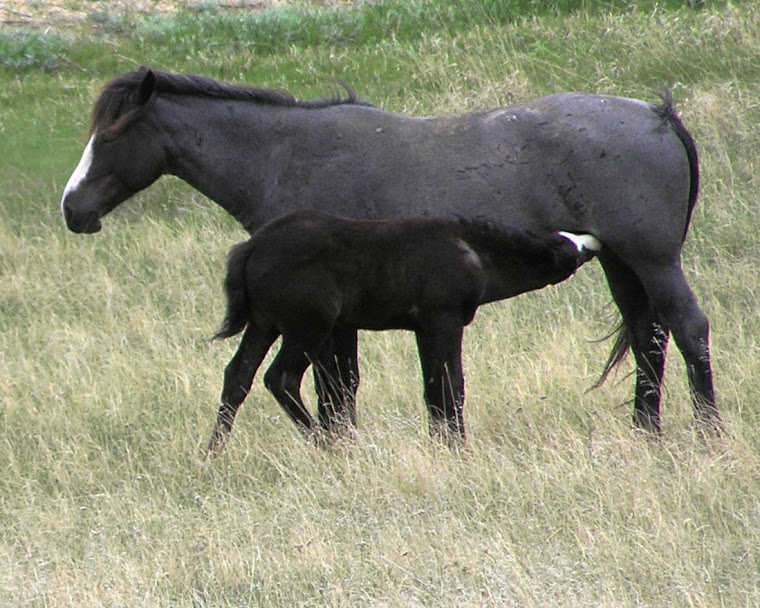
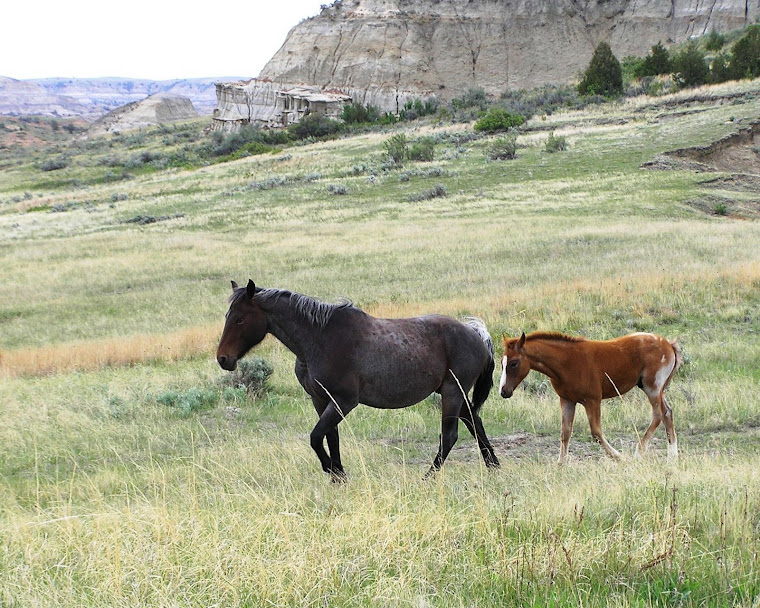
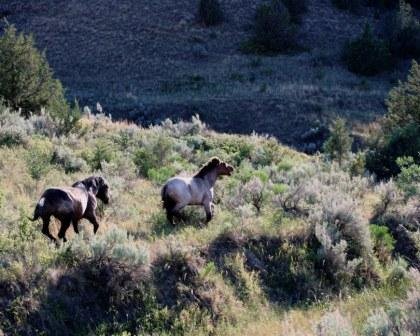
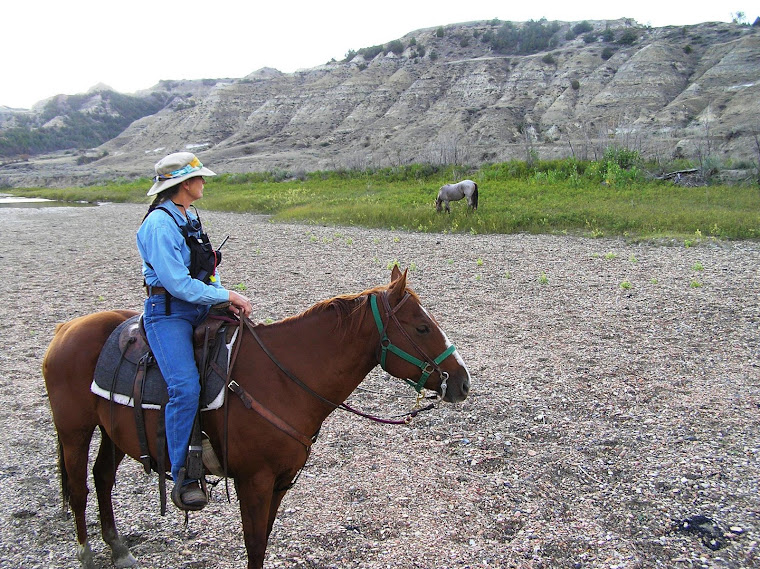
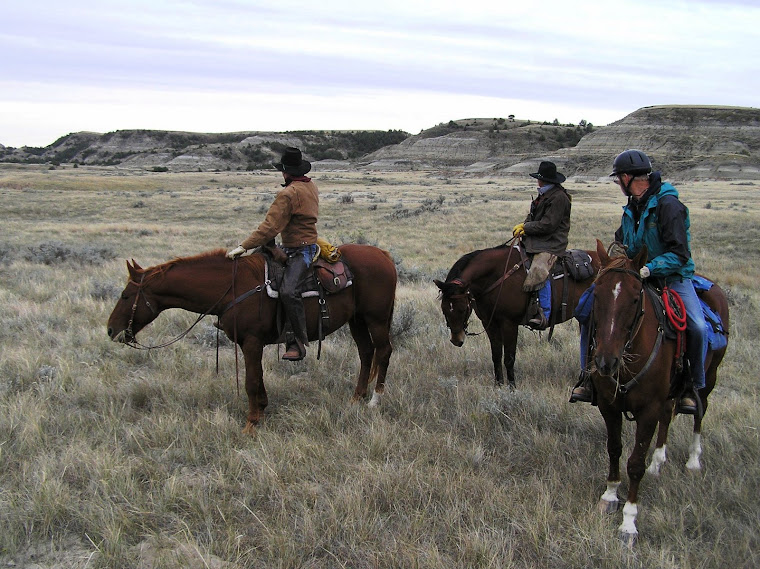
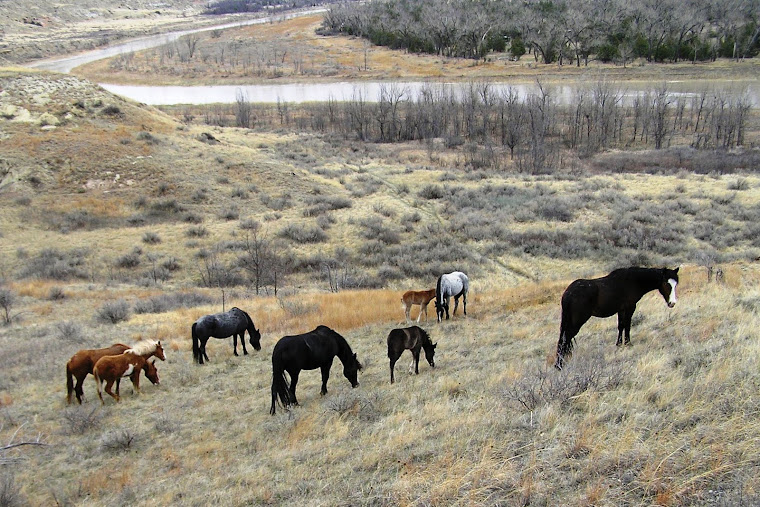
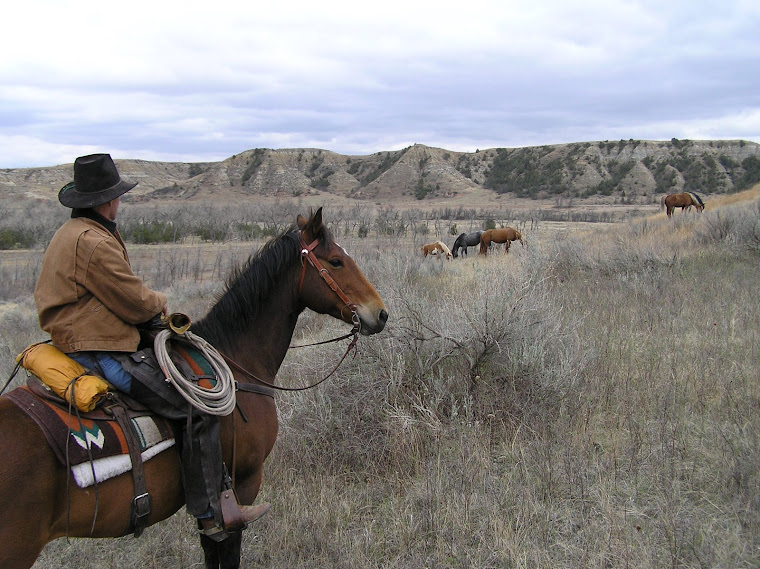
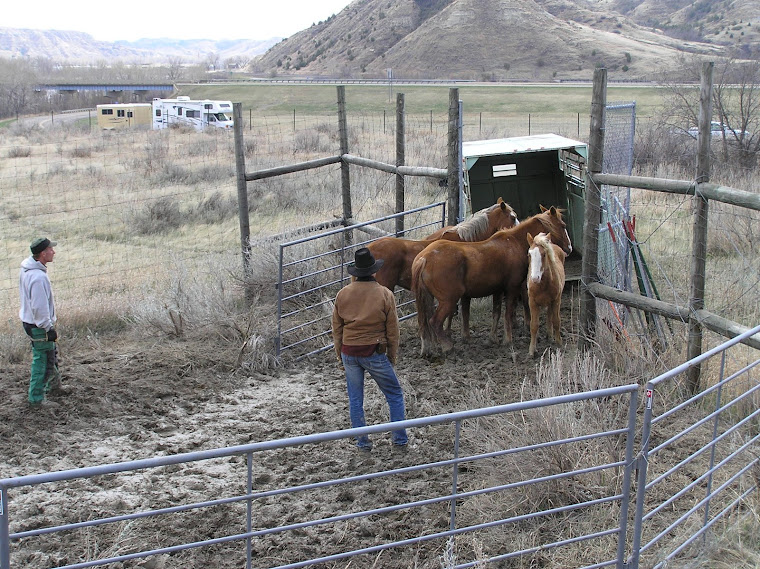
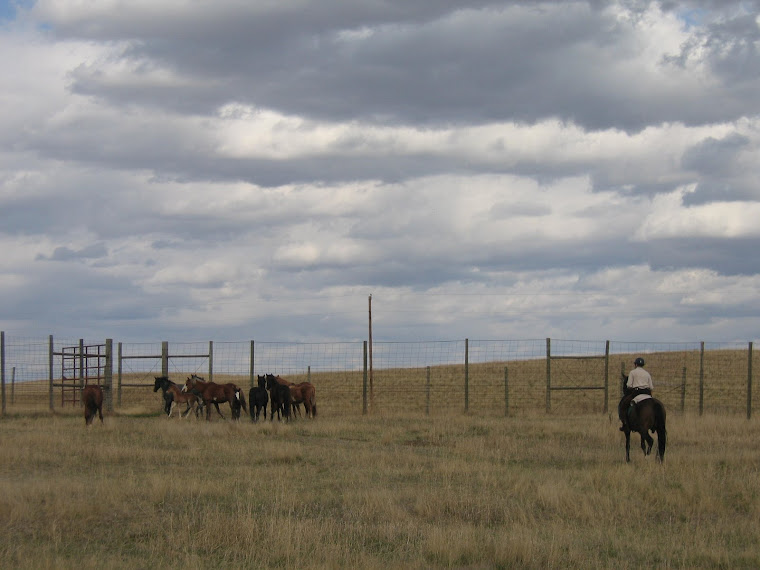
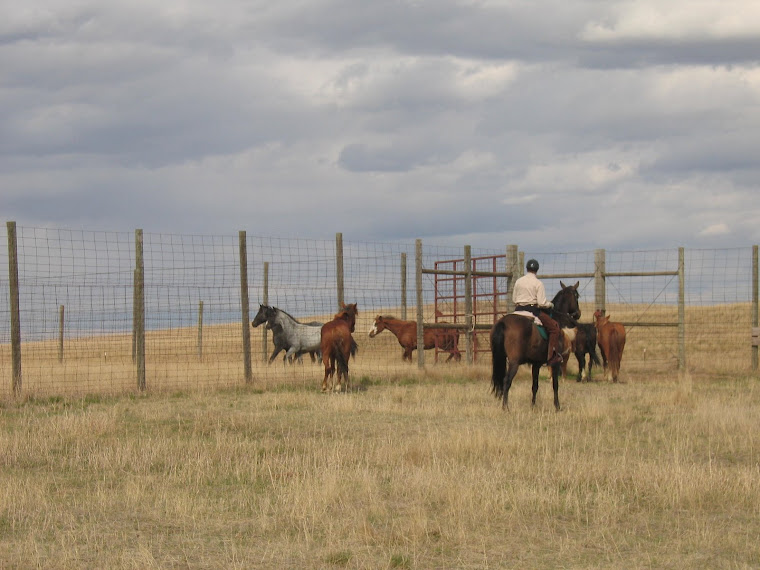
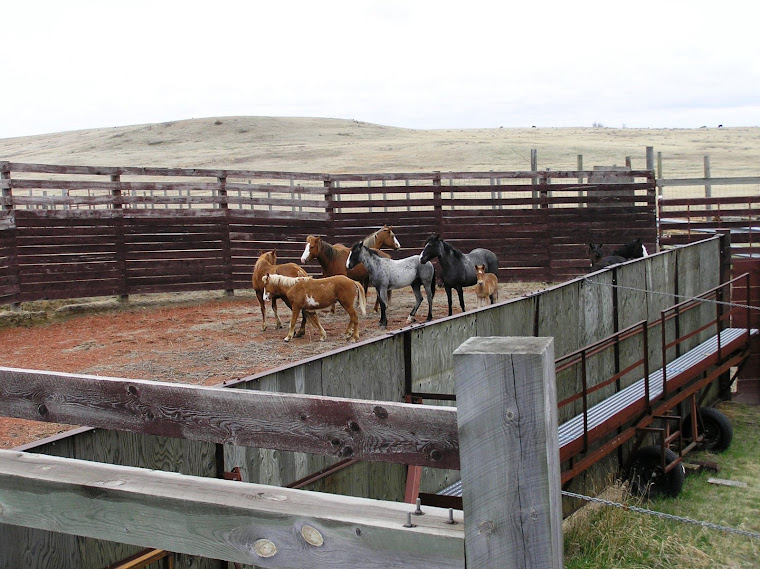
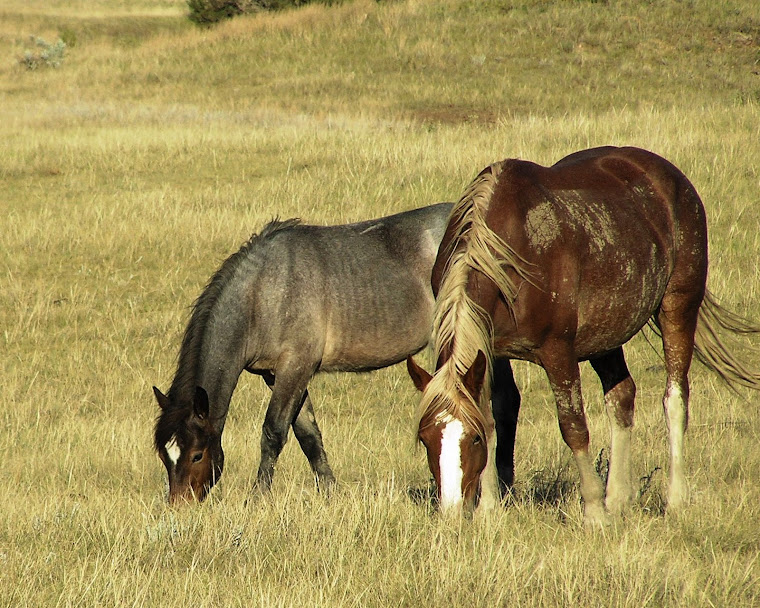
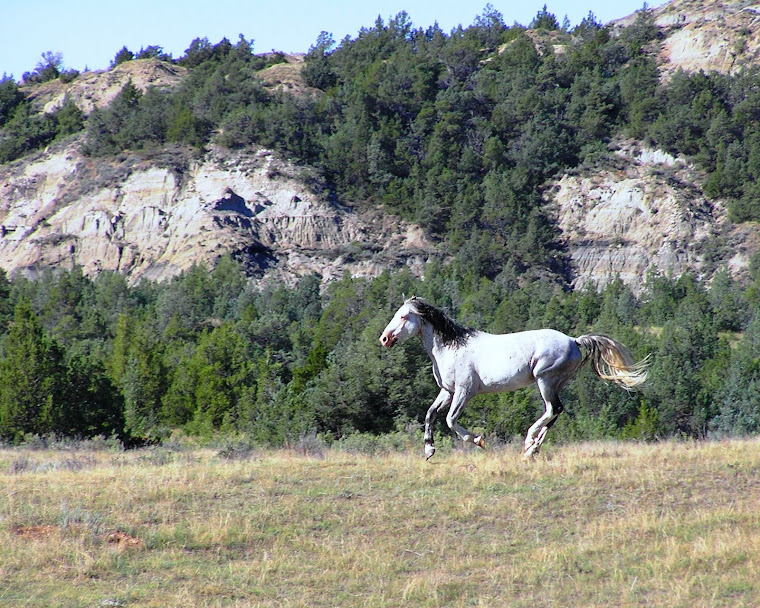
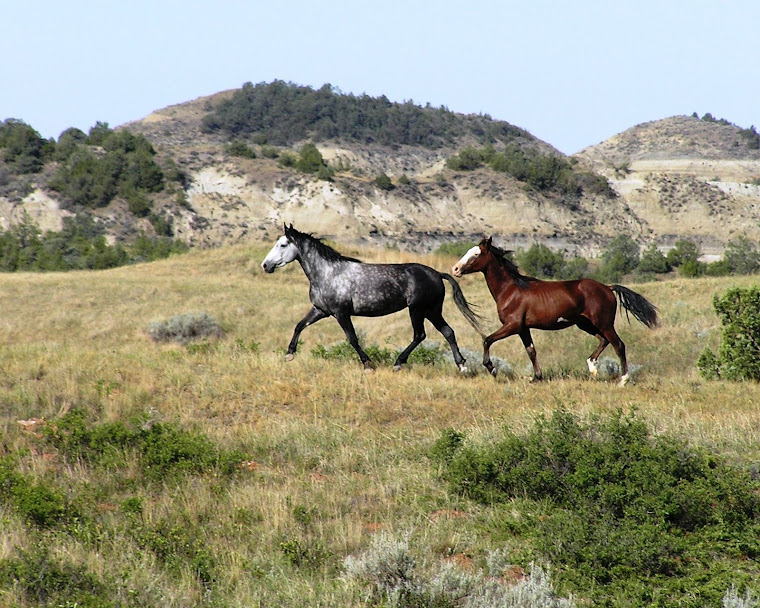
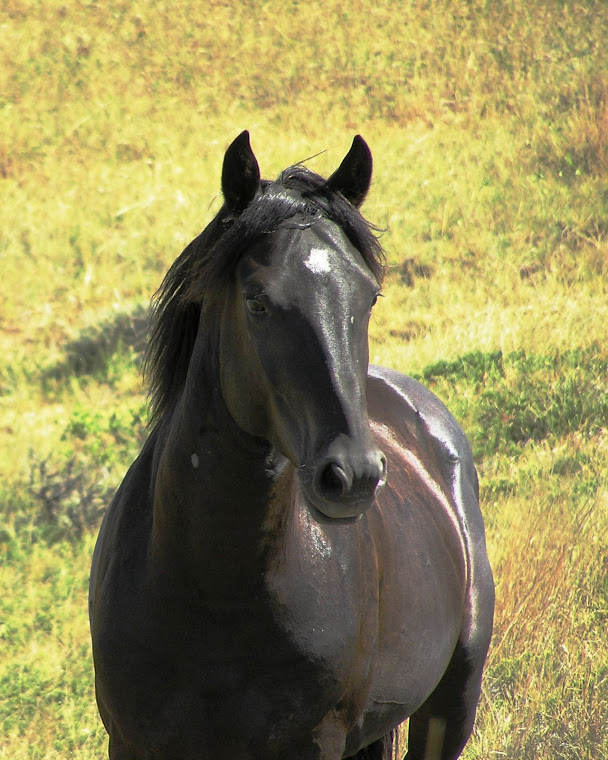
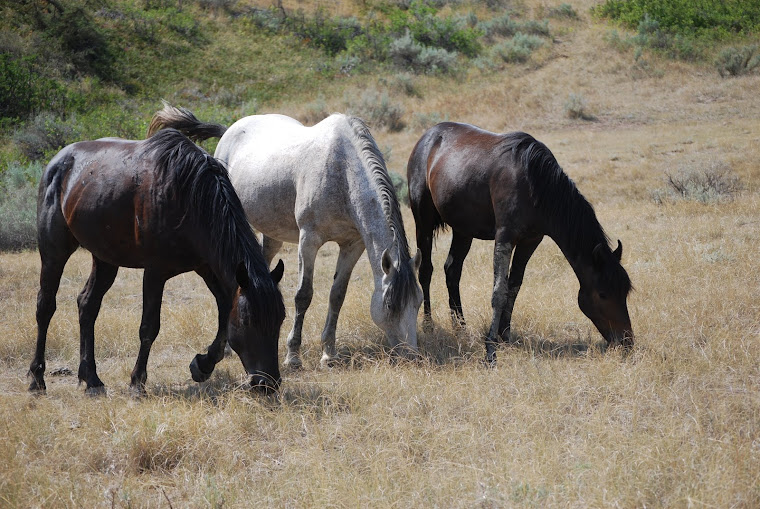
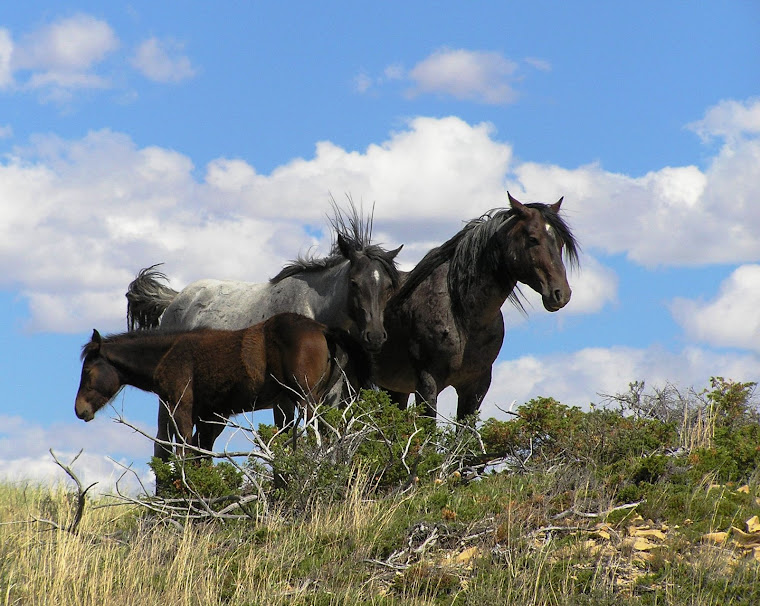
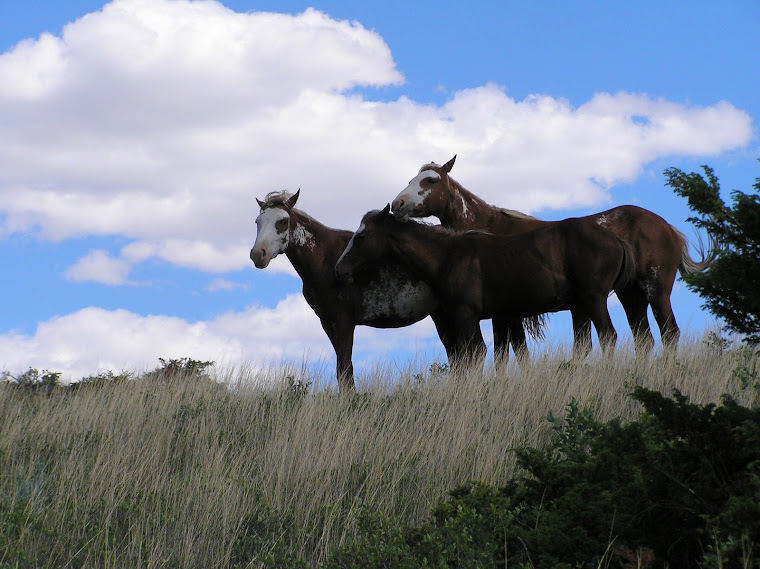
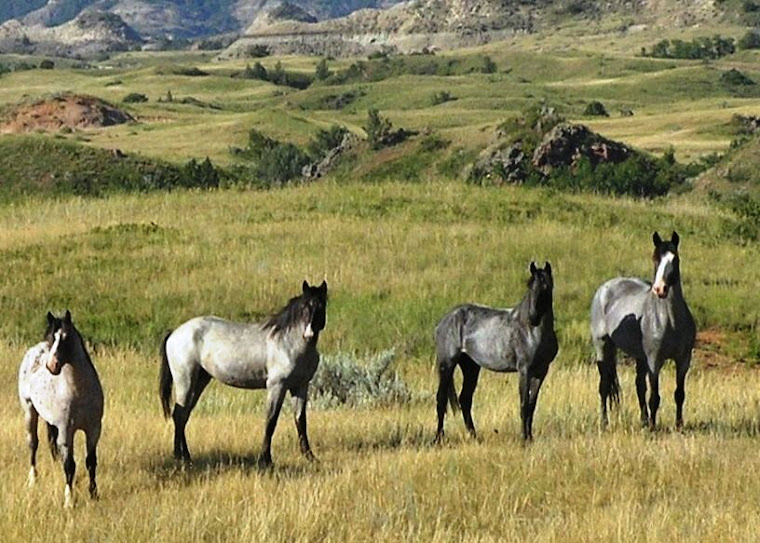
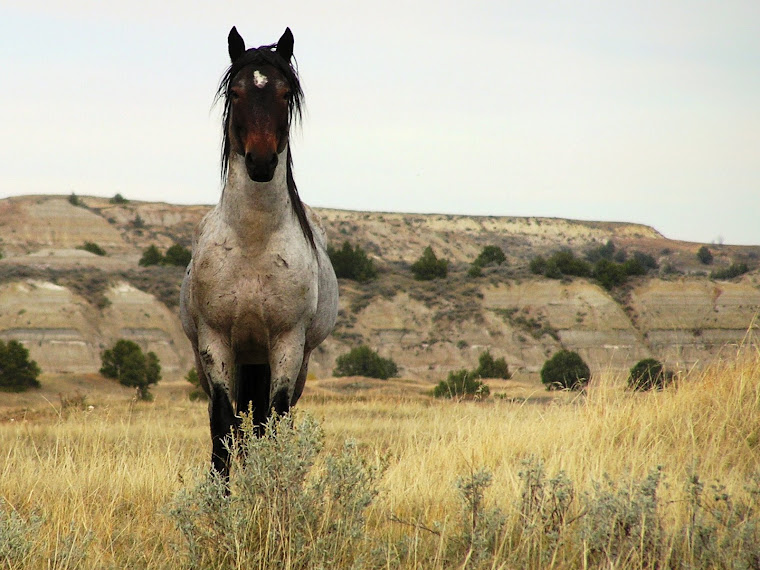
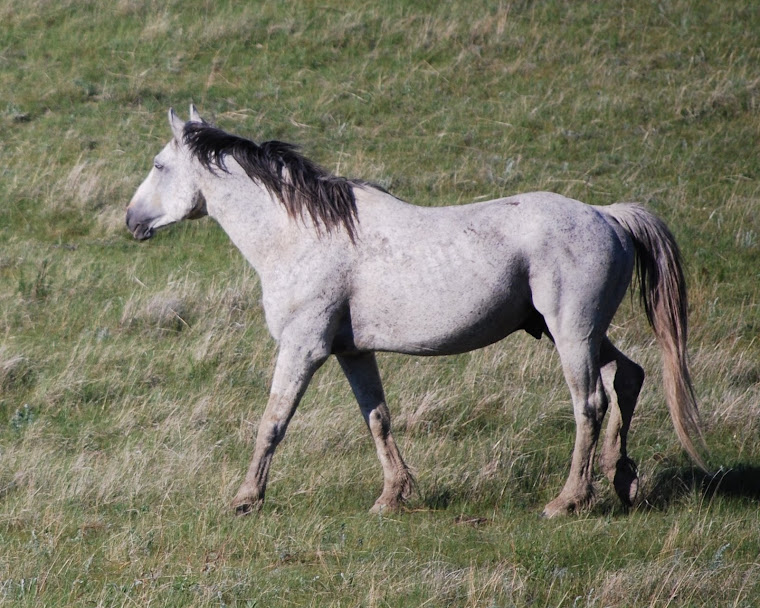
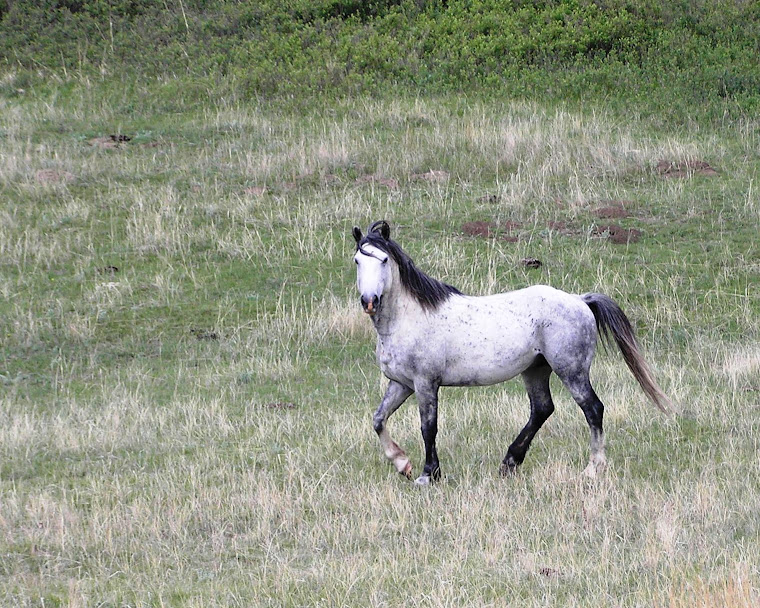
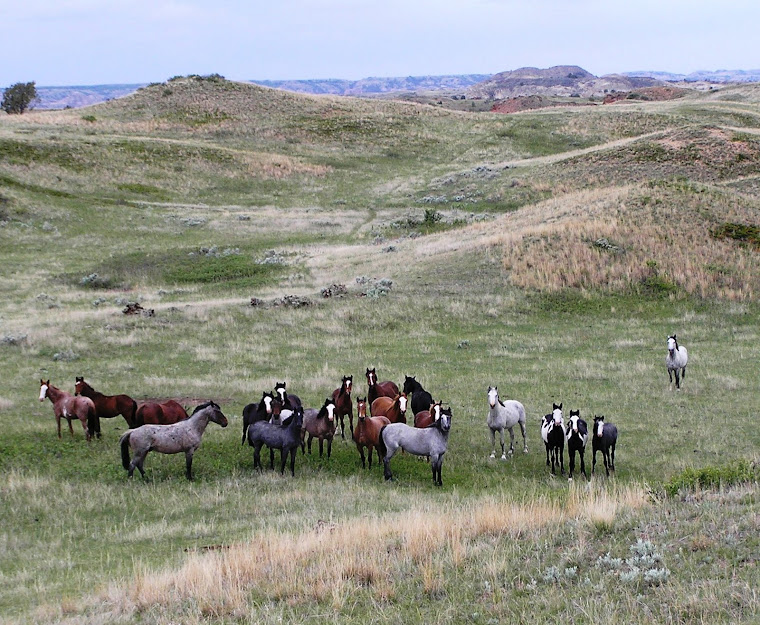
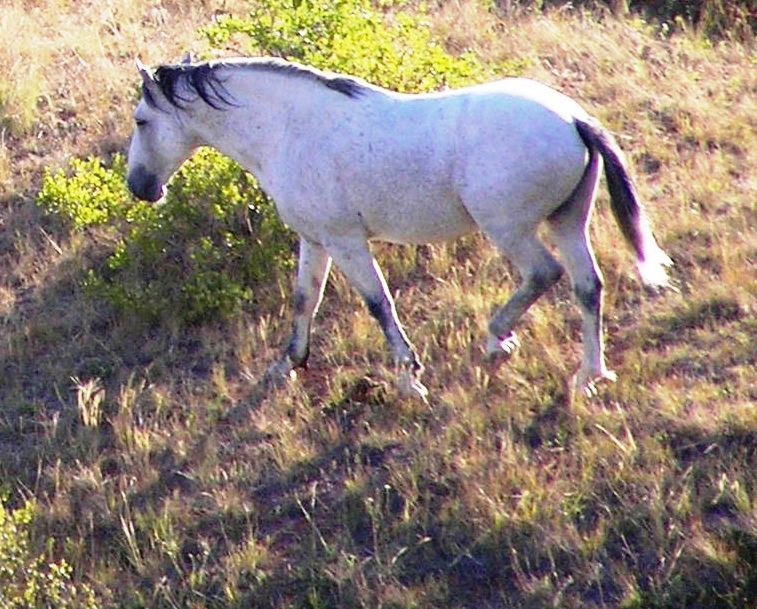
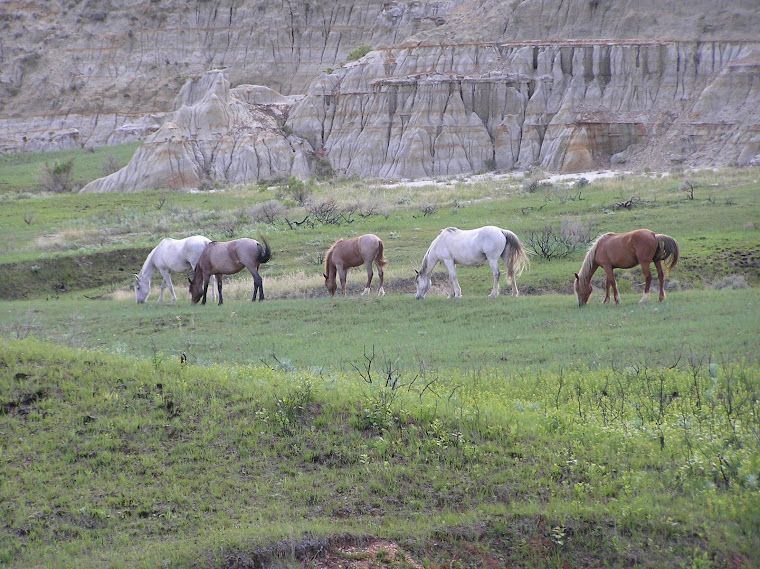
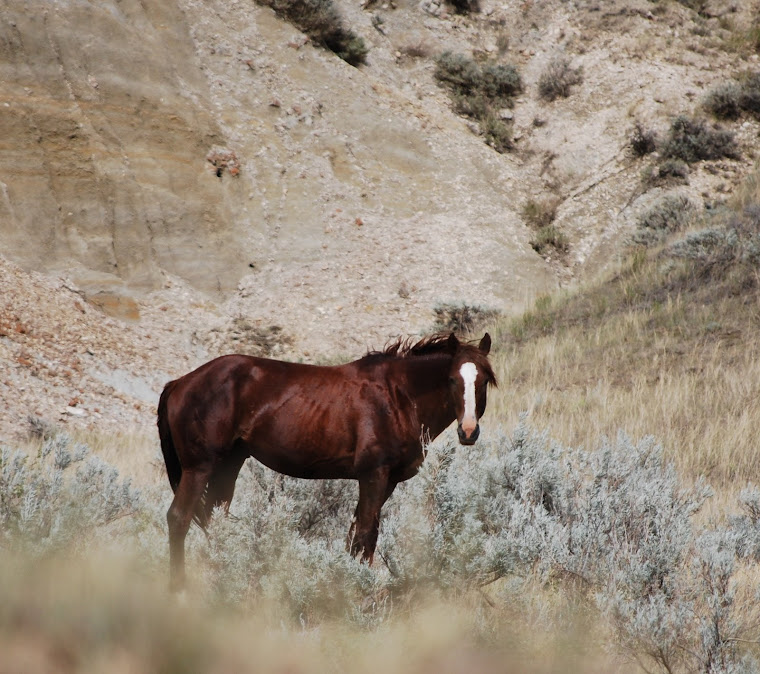
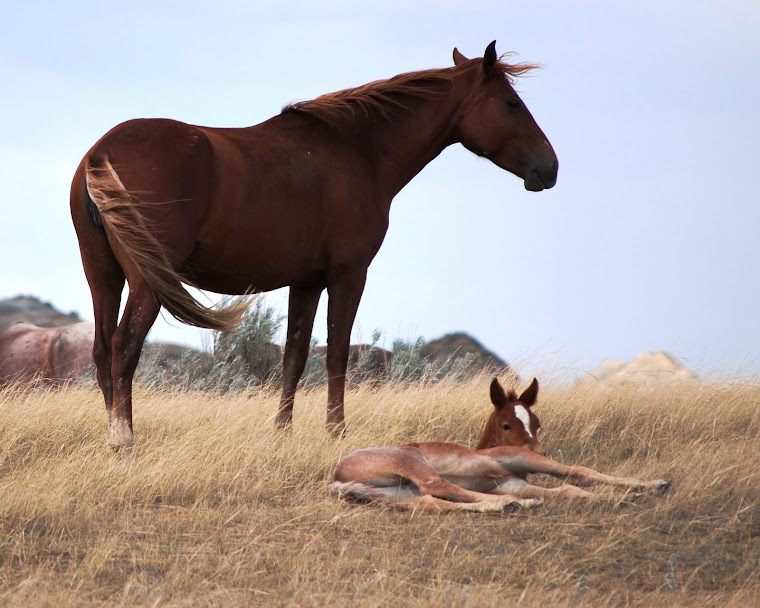
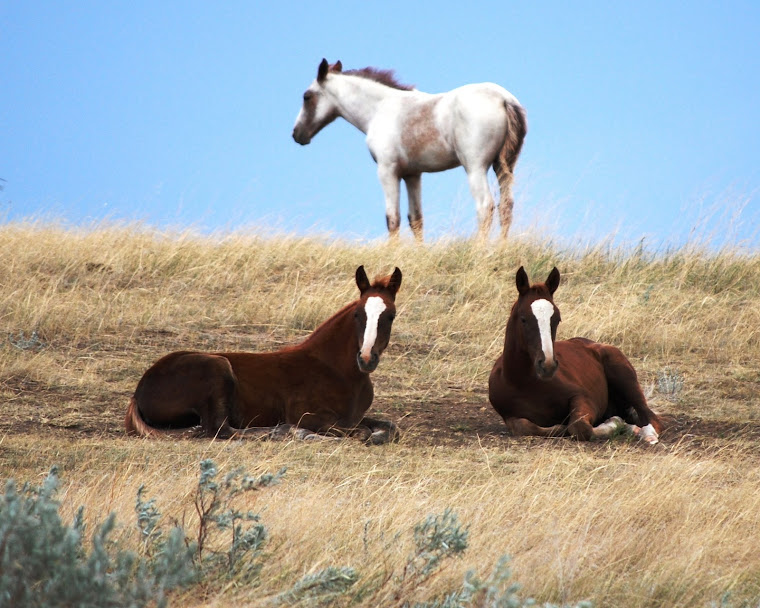
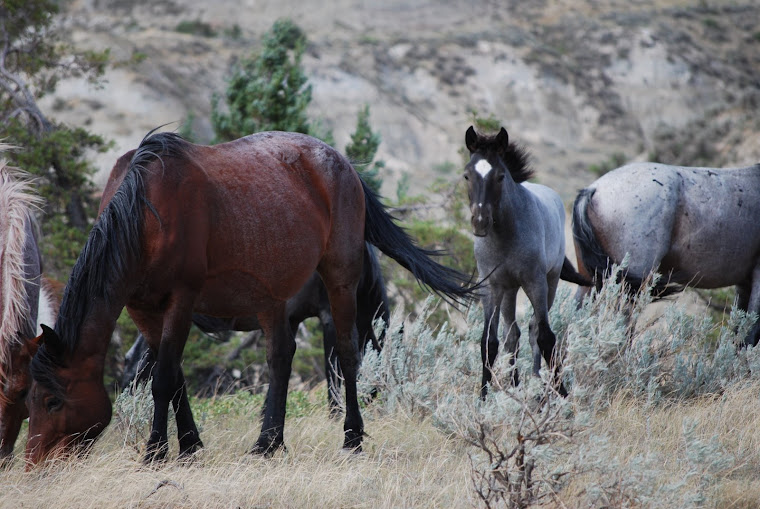
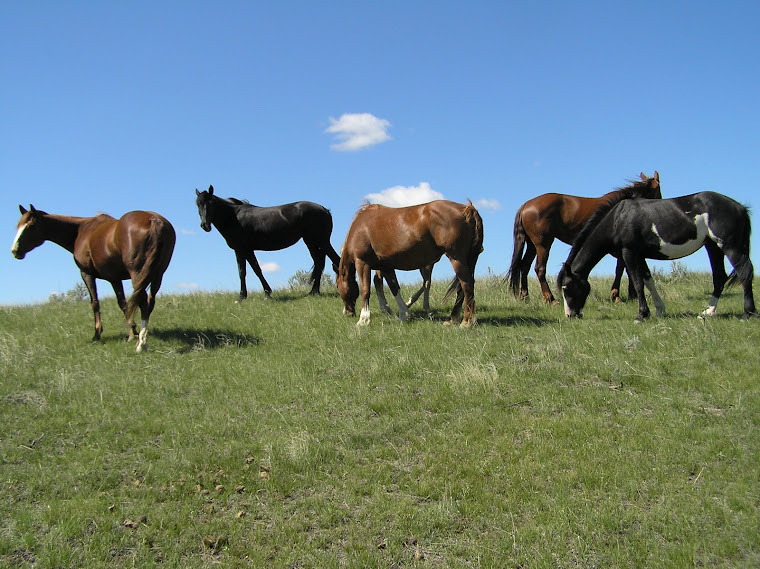
This blog contains dozens of posts and photos of the wild, feral horses from the park and some of the people involved with them. These horses are owned by the park and not managed by the BLM. To see most of the photos, scroll to the bottom of this page. To find earlier posts of interest go to Blog Archive on the right and follow this guide:

For some of the history of the horses and people involved:

2008
Wild Horses of Theodore Roosevelt National Park
2009
Tom Tescher's Story
The Boicourts
The Roundup

The Sale

For some of the special horses' stories:
2008
Fire's Story
Whisper's Story
2009
Our Boys Come Home
Dancing with a Wild Horse
Whit's Story
2010

The Dance Continues
Training Update

More Dancing with Hawk
More Training for Hawk
Bashful, the Steps of His Life

Post of Interest:
2009
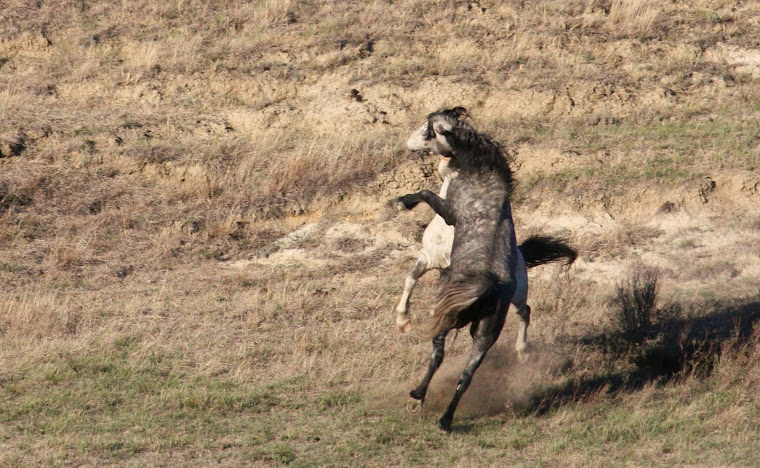
Four Stallion Fight
Hazards, Did I Mention Hazards?

Wednesday, August 13, 2014

SAGE AND PEACE PIPE by Marylu Weber

After seeing the horses housed at the Sieben Live Stock headquarters, we climbed into the vehicles for the short drive to the corrals where the four once wild horses had been when they escaped for the winter.  Sage, the gray overo, and his older gray brother, Peace Pipe, were the only animals there at this time.  Iain sent the two into the high round pen from their corral.  Whit mentioned that when it was been built he thought the round pen was higher than necessary, but with the 3 and 4 year old wild horses, it didn't seem too high; the horses never looked to jump its rail sides.  Cutting Peace Pipe back into the corral, Iain started to work with young Sage.
With a braided rope called a reata in one hand, Iain sent Sage around the pen at a lofty trot. There was no need to wear him down; Iain was just allowing Sage to move freely and decide for himself when he wanted to stop.  When Sage stopped, Iain would immediately stop, releasing the pressure rewarding him so that Sage soon learned that stopping and standing still was what Iain expected.   That lesson learned, Iain went on to roping Sage by the neck and then by a front foot.  Sage was still a long way from leading readily, but he was getting the idea that he should yield to the pressure of the rope.  Now when he yielded to the pressure, Sage would get a gentle stroking on his face, neck, and shoulders.   After haltering him, Iain asked Sage to yield his hind and then his front quarters, teaching him to turn away from the pressure of the scary bag on the end of the stick which was the beginning of what would later be control of the front and hind quarters in order to move obediently to the cowboy’s cues.  Iain ended the session with Sage’s acceptance of the saddle pad.  It is always better to stop when positive acceptance has been achieved.  The saddle would come another day.  Sage had already been saddled so he was well on his way to the day he would be ridden.  The most important lesson of the day was that Sage could trust Iain not to hurt him.  As that trust is gained the horse begins to yield his whole body and spirit to the soft hands of the cowboy.
Sage wants to engage with Iain
Sage is rewarded with a soft rub on the nose.
By his actions, it is very apparent that Sage in interested in this cowboy.
The bond of friendship is being built both ways; horse and man benefit from this understanding.

Iain uses the rope to get Sage used to being touched with foreign objects.
The saddle pad is not frightening to Sage.
Sage learns to move at the direction of his handler.
Iain with his two young children


Cooper Hibbard

All the while Iain was working with Sage, Cooper had been watching and gleaning every tidbit of information from what he had just witnessed.  Cooper is, himself, an accomplished horseman though shy about working in front of an audience.  Letting Sage out of the pen and bringing Peace Pipe in, Cooper started to build a relationship with the frightened horse.  Peace Pipe was much more nervous than Sage had been so his trot around the pen was more animated, giving everyone watching a thrill at the power and suspension of his extended trot.  As nervous as he was, Peace Pipe soon learned, by pressure and release that he should move, stop, turn, and face up by the cues Cooper gave him though body language.  After working with Peace Pipe a few minutes at liberty, Cooper too roped Peace Pipe to teach him that it would not hurt him and that it was a way for Cooper to communicate with him.  Once the rope was around Peace Pipe’s neck, he was surprisingly soft to it, letting himself be encouraged around the pen with a soft feel.  He accepted the soft strokes of Cooper’s hands and the feel of the coiled rope rubbed on his body, but he was still tense, ready to bolt at any moment that the pressure became too much for him.  Cooper wanted him to accept his touch equally on both sides of his body.  What is done on one side of a horse must be done on the other because each eye works individually when watching for danger and needs to be acclimated to the hands and the equipment of the cowboy.  Working quietly, changing from one eye to the other, Cooper soothed the tense gelding with quiet hands and calm movement.  Peace Pipe was not ready to accept the halter or saddle pad yet; that would have to come another day, but Peace Pipe learned too that the young cowboy at the other end of the rope was not going to hurt him. 

This wasn't even Peace Pipe's biggest trot, but he is completely suspended above the ground.


Young Peace Pipe is attentive to Cooper.

Peace Pipe wants to engage with Cooper, but he is more wary than his younger brother, Sage.

Peace Pipe is rewarded with a face rub.


Cooper was working on getting Peace Pipe to allow him on both sides equally.

Peace Pipe was not so sure he wanted Cooper on his left side.

Notice the softness in Cooper and the slack rope.


Each horse needs to be treated as an individual so none of the horses can be expected to react the same to each step of their training, but carefully and patiently the young men will win the trust and devotion of the horses.  In training a horse there must be as much joy and appreciation of the journey as there is in the end result.  Realistically horse training is more about the journey because horse training is never finished; there is always more to learn and each time one is in the presence of a horse, both horse and human are learning.  The goal is to teach positive partnership so that both grow.  Sage and Peace Pipe will grow and learn as they develop trust in the people around them.


Friday, August 8, 2014

Thursday, August 7, 2014

TOMAHAWK AND HAWTHORNE


Felice, Deb, Iain, Whit, Cooper, Henry, Bob, Iain's two children, and Whit and Felice's dog
Deb and Felice
Whit and Iain talking business
Deb and Hawthorne
Bob and Hawthorne
Bryce and Hawthorne
Tomahawk
By Marylu Weber
Spring had finally come to the sprawling Sieben Live Stock Co. ranch.  Bright green blades of rich grass were pushing through the soil of the mountain meadows, seeking the warmth of the sun.  It would soon be time to move cattle to summer pastures higher in the mountains and prepare for the arrival of new calves.  The registered ewes, the last remnant of the vast herds of sheep that used to roam the ranch, would also soon be lambing.  Saddle horses would be needed for all the spring and summer chores, so they were brought in from winter pastures, hooves trimmed, and shoes nailed on.
Warmer weather and good footing would make it easier to work with the four young blue geldings that still needed to be gentled and trained under saddle.  Time was limited but the cowboys would do the best they could.  Brent, who was to work with Peace Pipe, had moved on the find a home more accessible to schooling for his children, so Cooper would take on Peace Pipe and Bryce, with Iain’s help, would work with both Tomahawk, the challenging one, and Hawthorne, the friendly one. 
Deb, Bob, Henry, and I had planned for several months to visit the ranch, meet the cowboys, and see the horses again.  That sunny July morning as we drove the long gravel road to the ranch, we could hardly contain our excitement.  The scenery was beautiful as lush green pastures laced with small tree lined creeks gave way to rolling hills, evergreen strewn mountains, and rocky crags. 
Upon arrival we immediately met a young man dressed for ranch work in jeans, chambray shirt, and white cowboy hat, who came to us with his hand outstretched for firm handshakes all around.  This was Whit Hibbard’s nephew, Cooper Hibbard, the one I had talked to on the phone and bought the horses for.  He was the man who would one day take over the vast Sieben Live Stock Company.  We could tell right away why he would be great at the work as he was thoughtful and intelligent, polite, yet very confident.  He immediately began to tell us about the plans they had to sell grass fed beef directly to companies that care about the quality of the beef they use.  We could have spent the morning listening to him relate the progressive work they do on the ranch, but there were others to meet.  Whit, whom we had known for years, was there with his new wife, Felice.  We loved her immediately with her genuine friendliness and knowledge of horses.  Some people are easy to figure out, and this beautiful woman was exactly who she appeared to be.  We were so happy for Whit; Felice was a perfect match for him.
Another young man, dressed in similar manner as Cooper, came with two of his adorable children.  Again there was the welcoming handshake of an authentic man, used to working with his hands.   But these men are not what one might expect of a cowboy; these men, like Whit, are well educated, thoughtful men who chose the lifestyle of a cowboy, not because it is all they have ever known, but because there is no better life to be found than working with horses and cattle where one can breathe clean air and trust another man by his word and his handshake.    This young family man was Iain, one of the cowboys we had corresponded with before coming to the ranch.  He too was quiet and polite, but sure of himself and his ability.  They were all anxious to show us the ranch that was their home and the horses that would one day be their partners. 
The first horses we saw were in a large corral right there at the headquarters.  There were around 20 horses of various ages, mostly bay and sorrel Quarter horses, but two horses stood out, mainly for their color; they were the gray, Tomahawk and the blue, Hawthorne.  We spread out in the pen to scratch horses, and talk to Cooper, Whit, Felice, and Iain about the horses and the ranch.  Deb and Bob both loved on Hawthorne while I snapped pictures.  Hawthorne was very approachable as long as one was careful to take time to let him know there was nothing to fear.  He seemed to genuinely want the attention of the humans.  Tomahawk was much more timid.  He was OK with having us near, but not too near.  His comfort zone was about 20 ft. away from any human. 
Later in the day, when we were able to meet Bryce, also an engaging, kind, intelligent young man, he told us what he had been doing with the two young horses.  The men used the round pens to get the horses used to facing up to a human.  As expected Hawthorne was easy to get faced up and easier to touch.  They use a whip with a bag on the end of it as an extension of their arm, to acclimate the horse to strange touches and noises, and to encourage the horse to move.  The first thing to teach the horse is that the human can make him move his feet, establishing leadership.  Since a horse is a herd animal and a prey animal, he looks for a leader who will keep him safe.  Once he knows that the human is his leader, he begins to depend on that leader for safety and direction.  Both horses had been worked in the round pen, roped around the neck and each foot to get them used to the touch of the rope and to teach them to give to pressure so that they can one day be led and tied.  Both horses were OK with the rope and the flag, but Tomahawk would take much longer to allow himself to be touched by the “paws” of the predator, man.  Hawthorne had been saddled and had no problems with it so his education could progress much like that of a domestic horse, but Bryce so longed for the day that he could saddle up the strong handsome Tomahawk and ride him out to work cattle.  Well, he would have to bide his time and patiently let Tomahawk set the pace of his own education.  One day we will visit again and see the progress made with the once wild horses of the Sieben ranch.


Thursday, July 31, 2014

    From L to R are Bonnie and Sugar, Dan and Bashful, Whit and Teddy, Kristin and Baldy, Henry and Fire, Marylu and Hawk, Mya and Hail, and Bob and Crow.  These horses were all born in the park.


The 2nd Annual Reunion Ride will be based out of Sully Creek State Park just south of Medora, ND, September 5-7.   Come join us for trail rides in the park and other activities.  You don't need to be riding a North Dakota Badlands Horse, you don't even need a horse.  Just come and meet others who love the horses from Theodore Roosevelt National Park.  Go to the Facebook page: North Dakota Badlands Horse for more information.  Be sure to sign up for the event on that page.

Sunday, July 27, 2014

THE GREAT ESCAPE

Tracking in the snow
The Sieben Four Adventure

By Marylu Weber

At one mile above sea-level, winter comes early to the Sieben Live Stock Company ranch nestled in the foothills of the Big Belt Mountains of Montana.  The four wild young stallions that had been purchased from Theodore Roosevelt National Park had been gelded and kept together in a large corral separated from the ranch headquarters so they could adjust to ranch life gradually.  They had plenty to eat and drink, but something in their hearts must have been drawing them back to the wild.  One day in early winter while having lunch at Cooper Hibbard’s house, Iain Davis saw that Sage, Hawthorne, and Peace Pipe were on the wrong side of the fence around their corral.  Tomahawk was still inside but running back and forth trying to figure out how the others had gained freedom.  Iain watched as Tomahawk too jumped the narrow space between the wooden gate and the gatepost and all four galloped up the hill behind the corrals.  When a couple of them dropped their heads to graze Iain hoped they would stay on the sunny slope about ¾ of a mile from the corral complex. With any luck he could somehow lure them back into the corrals, but the young horses had other ideas and within the hour disappeared over a high ridge into what was wild, rugged breaks filled with all sorts of wildlife, including bears and mountain lions.

Iain took two bales of good hay up the mountain to entice the horses back or maybe even catch them there.  Hawthorne, always the tamer of the four, came with the others behind him.  Iain was able to get within 100 yards of them, but it was too much pressure for the wilder horses and they all ran farther into the rough country.  As more snow came Iain was able to track the horses but never get close to them.  Several times he saw the tracks of mountain lions following the horses.  Fascinated with the mountain lion tracks and how the dust from the barren areas the cat had walked on would drop off onto the snow tracks, Iain took his phone out and took a few pictures of the large tracks.  As he crouched there in the snow, intrigued with the size of the tracks and the dust encircling each indentation from the cat’s pads, he noticed that the wind was quickly blowing the dust away.  The cat must have been in that very spot only minutes earlier.  Maybe it wasn't such a good idea to be crouching in the snow so soon after the cat had passed that way; maybe he was being watched at that very moment.  After all a pocket knife wasn't much of a weapon against a mountain lion.  With the hair standing up on the back of his neck and being much more aware of possible hiding spots for the big cats, Iain hiked back out to the safety of the ranch, deciding the wild horses would have to fend for themselves or come back to the safety of the corrals on their own.


It was almost three months since the horses had run away to freedom.  Efforts to bring them back were scrapped because of the weather and the difficulty in traversing the back country in winter.  Would the ranchers ever see those four ungrateful equines again?  They could travel for 100s of miles if they wanted to.  Would they starve or become dinner for the mountain lions?  It was anyone’s guess, but toward spring some hunters reported seeing horses not too far from the corral complex so this time Iain baited his corral with hay, a mare in heat, and later another gelding.  The adventurous boys seemed to long for the company of the mare and her companion and gradually came back to the corral.  Seeing that they were hanging around by the corrals Iain was able to sneak in, open the corral gate, run down the fence line, and hide so that he could close the gate again if he was lucky enough to have them go in.  One by one the wary young horses entered the corral and went to eating the delicious hay.  The adventure was over and, though a little thin, they had all survived winter blizzards, pawing through drifts for forage, eating snow for water, and the teeth of the big cats.  It was no different than life in the Badlands of North Dakota to the four wild horses, but the cowboys on the ranch were not going to take any more chances, the four were separated and put with four groups of domestic saddle horses so that they were not drawn to the wild country any more. 
 That was the end of their adventure, but not the end of their story.
showing the size of this track

showing the dust in the track

The horses disappeared over the hills to the right.

Wednesday, July 23, 2014

THE SIEBEN FOUR
By Marylu Weber
This story started in 2008 when Whit Hibbard, a fourth generation rancher and Low-Stress Livestock Handling Instructor, came to Theodore Roosevelt National Park to share his livestock handling knowledge with the staff of the park.  I had been invited to that workshop and had the privilege of riding with Whit when he gathered and penned 10 of the wild TRNP horses.  At that time, a young blue colt came up to him and sniffed his hand.  I told him he had to buy that colt and Whit took the bait.  (Read “Whit’s Story” on this blog)  Whit has never regretted that decision and calls Teddy one of the best ranch horses he has ever ridden.  Teddy is admired and coveted by all the horsemen of the ranch.  Whit’s nephew, Cooper Hibbard, says of Teddy, “He’s like riding a dream!” 

After the suggestion by Whit, it was Cooper’s decision whether or not to add four more North Dakota Badlands Horses to Sieben Live Stock Company’s cavey of ranch horses.  Whit told me Cooper would be calling me, but as busy as a “CEO in training” of a large ranch can be, he didn't call me until the night before the sale.   Based solely on Teddy and what his Uncle Whit had said about the TRNP horses, Cooper was willing to take a chance and buy four wild 2 or 3 year old stallions, sight unseen.  Though I knew the horses well, I wasn’t feeling entirely comfortable picking prospective ranch horses from the 103 being sold.  When I asked Cooper how he would get them home, he mentioned a hauler named Steve.  Surprising Cooper that I knew of Steve, I told him I had talked to Steve on the phone earlier that summer and liked him immediately.  Knowing he was a experienced horseman and a good judge of horses I enlisted his help in picking horses for Cooper.  While looking at the horses in the pens, Steve asked me if I knew Billie Rase;  Billie was a lifelong friend of mine and someone I had always loved and admired.  It turned out that Steve was married to Billie’s niece.  Any friend of Billie’s was a friend of mine, so now I trusted him implicitly with helping me pick horses!  Steve graciously gave me his list of 5 stallions he thought would make good ranch horses based on conformation and attitude in the pens. 

Without knowing it, Steve picked four sons of Sidekick: Sage, a two year old gray overo, and Peace Pipe, a three year old gray out of Snip’s Gray, Hawthorne, a two year old, and Guitar, a three year old, both roans out of Embers’ Girl.  His fifth pick was a sharp minimal sorrel overo, Bandit, out of Dolly by Cocoa.  These were favorites of mine too, so I would bid to try to purchase four of the five.  I was able to win the bid on both Sage and Peace Pipe with Sage going a little high and Peace Pipe a little low.   I was at even money when Hawthorne came in.  The bids quickly rose over my allotted budget, but I really liked the 2 year old colt’s docile disposition, so kept bidding and won him at $200 over budget.  I was not to be so lucky with Bandit; his coat still glistened and he was already showing a lot of muscular development.   Soon, at $1400, the winning bid was far beyond my budget.  The young lady sitting beside us at the sale had set her heart on buying Guitar and I was not about to deprive her of that handsome young roan, so I quickly went to Steve to see what he thought of 3 year old Tomahawk who was just about to come into the ring.  Steve gave his approval and I was able to fill out the order of four horses with Tomahawk.  Steve was going to haul the four to Billings, MT yet that night, rest them overnight, and meet Cooper in the morning.  I was a little nervous that I had gone $250 over budget, and that Cooper had never seen the horses; I wondered what he would think of them.  The next day, when we were almost back home to Rapid City, I received a call from Cooper.  He said he was “blown away” at the quality of the horses and thanked me for buying them for the ranch.  The four young stallions were moving on to another stage of their lives.

Cooper drove back to Cascade, MT with the four young horses that would one day be part of the cavey of saddle horses serving the large cattle and sheep ranch his great, great grandfather, Henry Sieben, had established in 1909.  He was excited to show the horses to the other three horsemen who would each work with one of the young stallions, gentling it and training it under saddle.  Upon seeing the four stallions, the other men were also impressed with the four and marveled at how well built they were for horses bred and raised without human intervention.   Whit Hibbard’s wife, Felice, a horse enthusiast and rider since an early age, loved Whit’s Teddy.  She said, if the new colts were a fraction as good as Teddy they would be great ranch horses.  She had been studying the Phanfare.com photo files of sale horses and was excited to see that some of her favorites were among the ranch’s new horses; she admired the sturdy build, good bone, and large healthy feet of the wild ones. 

The first order of business was to get the four young stallions gentle enough to be gelded.  Each man was to pick one stallion to work with.  Iain chose the young gray overo, Sage.  Brice liked the way Tomahawk was built; he would one day look like his sire, Silver.  Cooper had his choice of Peace Pipe, Hawthorne.  He liked them both, but Hawthorne walked right up to him so he figured Hawthorne picked him.  Brent was to train Peace Pipe.   The three other colts were pretty easy to get the first halter on, but Tomahawk was not very trusting.  He was finally caught, sedated, and all were gelded, then all four were turned out in a large paddock to heal and get accustomed to life on the Montana ranch.


Bryce and Tomahawk
Cooper and Hawthorne
Iain and Sage

Brent and Peace Pipe

Tuesday, July 22, 2014

NDBH Achieves Tax-exempt Status


As one of the members of the Board of Directors, I am pleased to announce that North Dakota Badlands Horse Registry has achieved federal tax-exempt status.  With that status, we will be able to be more active in the goals of educating the public about Theodore Roosevelt National Park and it's horses, promoting, and protecting, and finding homes for the wild horses.  We have a lot of exciting plans, so watch here and on our Facebook page: North Dakota Badlands Horse, for updates and announcements.

One of our projects is to make a Guide to all the horses of TRNP that people can buy and use to identify the horses when they visit the park.  We will let you all know when that is available.

Happy Trails to you, and go visit the Park.  You will not be disappointed!